Class Action Suits Face Uphill Battle Against Cruise Lines
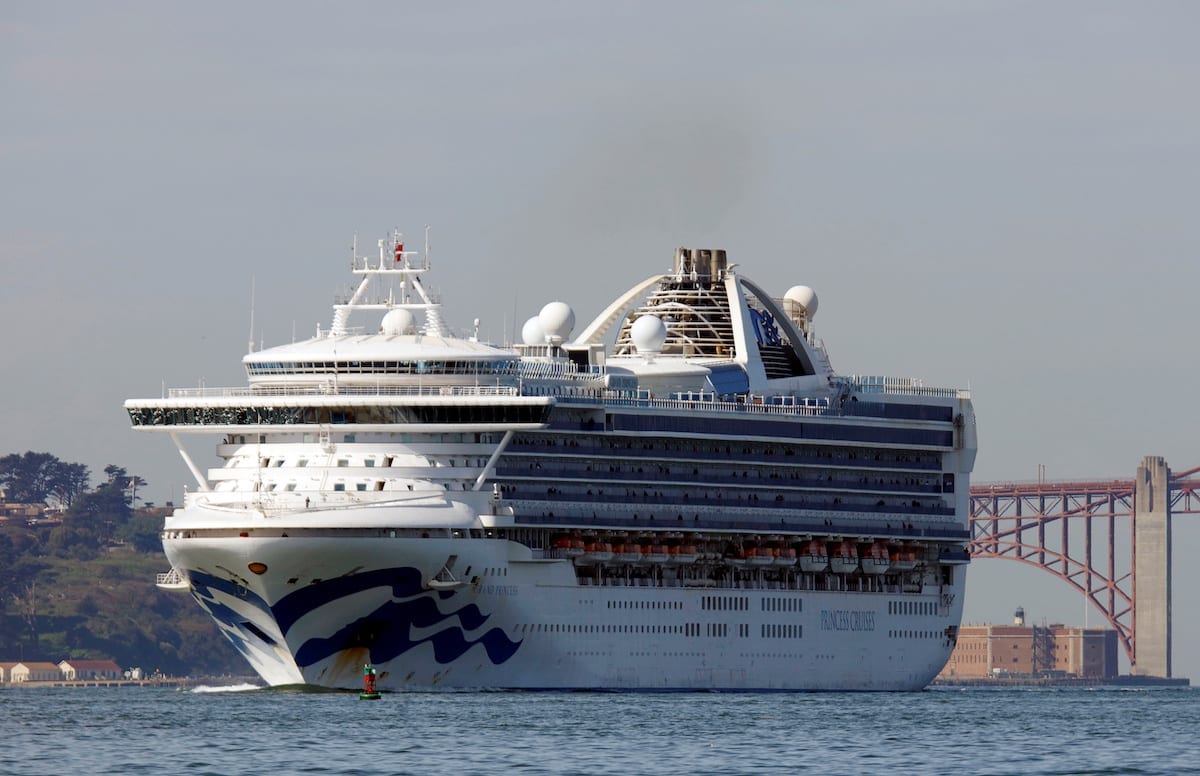
The Costa Luminosa sailed on with them still onboard, and they ended up with the virus. Now recovering, the Hernandezes and 98 fellow passengers have sued Costa Cruise Lines Inc., a brand owned by Carnival Corp., alleging the firm endangered passengers’ lives through negligence and bad decision-making.
A Costa spokeswoman said the company stepped up its sanitation of ships and then took action, including quarantining passengers, after it learned of the positive test results.
The Hernandezes and their fellow plaintiffs are seeking class-action status. They may have rough sailing ahead.
The tickets that cruise passengers buy resemble legal contracts, and they generally contain language barring customers from filing class-action suits – lawsuits that allow one or more plaintiffs to act on behalf of a larger group. That’s just one of several built-in legal protections in cruise tickets meant to safeguard companies against a rash of litigation that’s already arising from the coronavirus pandemic.
“These claims are enormous – nothing the industry’s seen before with so many passengers fallen sick and bringing suit,” said Martin Davies, director of the Tulane Maritime Law Center at Tulane University Law School. Any judgments would be paid out of an insurance pool that the cruise lines have formed, Davies said.
Currently, no cruise company faces more claims related to the virus than Carnival, the industry’s largest operator. At least 22 lawsuits have been filed against Carnival-owned companies, seeking millions of dollars in damages. The company said it doesn’t comment on active litigation.
By comparison, Celebrity Cruises, owned by the second-largest company, Royal Caribbean Cruises Ltd., faces just one U.S. lawsuit so far: a proposed class-action filed by crew members who allege Celebrity failed to protect them from the virus. Norwegian Cruise Line Holdings Ltd., the third largest, faces a shareholder lawsuit that alleges the company failed to disclose adverse facts that affected it due to Covid-19. Lawyers say passenger suits against other cruise companies are probably coming.
Some of the virus-related claims, including the Hernandezes’ case, seek class-action status and involve multiple plaintiffs, totaling almost 200 so far.
But suits seeking class-action certifications face an “uphill battle,” Davies said, because of language contained in the passengers’ tickets. “Provided that’s what the contract says, generally the courts will find that enforceable.”
It’s not uncommon for big businesses of all sorts to insist on class-action waivers in their contracts, but cruise operators have a range of other legal protections as well. Some of them stem from byzantine maritime laws that date to the 19th Century, when policy makers wanted to encourage investment in the shipping industry.
“If you print out one of these tickets, it’s like 20 pages of gobbledygook,” said John Hickey, a maritime lawyer. Hickey, who spent almost two decades defending cruise operators in court, now represents plaintiffs against them. “Most people have no idea the limitations they’re presented with.”
For example, judgments for deaths that occur far from U.S. ports are limited by the Death on the High Seas Act, enacted in 1920. Most ticket contracts limit any legal actions to select federal courts, predominantly in Florida or Los Angeles, no matter where the customers live. And most of them require passengers to notify a cruise operator within six months that they intend to sue.
In general, cruise industry representatives say it’s unfair to single out cruise operators, who they say implemented more aggressive screening and prevention measures related to Covid-19 than other travel sectors did.
Cruise lines “took immediate and aggressive action based on the information that was available when it was available every step of the way,” said Bari Golin-Blaugrund, a spokeswoman for the Cruise Lines International Association. “Importantly, all decisions were based upon the expertise and guidance of prevailing health authorities.”
The U.S. Centers for Disease Control and Prevention on March 14 ordered cruise ships in U.S. waters to suspend operations after travelers on more than 30 voyages were infected with Covid-19.
The Hernandezes’ tickets for the Costa Luminosa contained a “patently unfair” prohibition on class actions, said their lawyer, Michael Winkleman of Florida. He acknowledged “significant hurdles” for their lawsuit, which alleges that the bar on class actions should be voided because Costa Cruise Lines acted “intentionally by exposing passengers to a highly contagious virus” for which there’s no vaccine.
If the case isn’t certified as a class action, Winkleman said, he intends to file cases for the plaintiffs individually or in smaller groups. Class-action lawsuits, which can result in larger judgments or settlements, can help to move cases more swiftly for plaintiffs. Most plaintiffs’ law firms that pursue them do so on a “no win, no fee” basis, banking on bigger payouts, said Davies, the maritime-law professor.
“The ship never should have sailed,” Emilio Hernandez, 51, said in an interview. “They put profit over the safety of passengers and crew.”
gCaptain