VLSFO plus Older Engines Can Presents New Maintenance Challenges
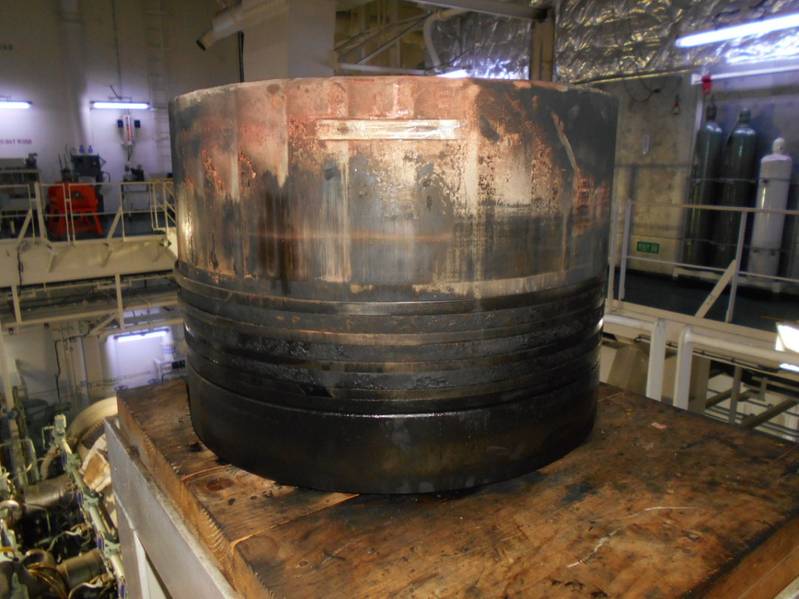
As shipowners mull the pros and cons associated with new fuels to meet tightening emissions rules, Chevron Marine is finding that some ship owners that switched older engines to very low-sulfur fuel oil (VLSFO) are reporting build-up of red deposits on piston crowns and top edges, sometimes combined with red iron burrs in scavenge ports. The deposits are associated with abnormal liner wear since the fuel switch, particularly on older two-stroke marine engines.
Chevron used a four-step laboratory analysis to narrow down likely causes. The deposits were found to include a compound of materials including harmless detergent additive residue and iron oxide. The detergent residue was determined not to be a source of wear as the deposits were only found in single cylinders rather than across the engine.
The fuels associated with the red deposit and scuffing incidences were also analyzed. Chevron found that the VLSFO blends involved showed differences from others in two fuel characteristics, typically a lower calculated carbon aromaticity index (CCAI) and high estimated cetane number (ECN).
Although VLSFO has been found to offer a typically higher energy value content than heavy fuel oil (HFO), and therefore can offer value for money, its combustion engine density properties can result in harsher operating conditions and more stress on the engine components.
An example of the red deposits analyzed at Chevron laboratories. Photo courstesy Chevron
maritime professional