Marine Scrubbers: Yara Marine Plots the Path Forward, Post-COVID-19

Yara Marine Technologies COO Ina Reksten and Research and Development Manager Shyam Bahadur Thapa reflect on the effects of the coronavirus crisis and share their vision for a future beyond the pandemic.
2020 will go down in history as the year that changed everything for many industries, not least the marine exhaust gas cleaning segment. “The coronavirus turned our world upside down virtually overnight,” confirms Ina Reksten, Yara Marine Technologies COO. Driven by the impending IMO 2020 sulfur cap, the scrubber market was in the middle of a historic boom when Reksten joined Yara Marine from parent company Yara International a couple of years ago.
“In 2019 we had a huge ramp-up to deliver on orders,” she says. Not unexpectedly, stakeholders stepped back toward the end of 2019 to see how regulations were going to be enforced and get a feel for fuel availability and price. Once the situation became clear, they would adjust their plans and proceed with the next steps toward emissions abatement.
That scenario never played out. “We never got the chance to see how things would have developed before the coronavirus crisis hit. Those that had invested in scrubber technology were happy, but Covid-19 has overshadowed everything since,” Reksten confirms. “It hit our core customers, so it has hit us.”
“We had high hopes for the scrubber market in 2020, but Covid-19 changed all that,” says Shyam Thapa, Yara Marine Innovation Manager. “Travel and distancing restrictions made it difficult to do business, and the resulting fall in oil prices weakened the scrubber case substantially.”
Crisis accelerates change
Even before the crisis, though, Reksten tells that Yara Marine was planning to expand beyond scrubbers. “We had adopted a new mission, to provide technologies to enable a greener maritime industry. The focus is on what we call ‘close to core’ technologies, in the intersection between green and maritime.”
Now that mission has become top priority.
“We believe the industry needs companies who can provide a scope of technologies outside the traditional maritime sphere,” she relates. Having access to adjacent technologies is key to the mission: “Yara Marine does not have a big technical overlap with our parent company Yara International, but there are still substantial synergies. They have a clear environmental profile, and they are a strong advocate for applying innovative technology in traditional business areas.”
Digitalization is an important part of the plan, she says. “We can use digital technology to help our customers meet environmental requirements. We have access to large amounts of data, but what can we do with it? This is a challenge for us just like for everybody else, but we have a parent company that has made great progress in exploiting data to protect the environment.”
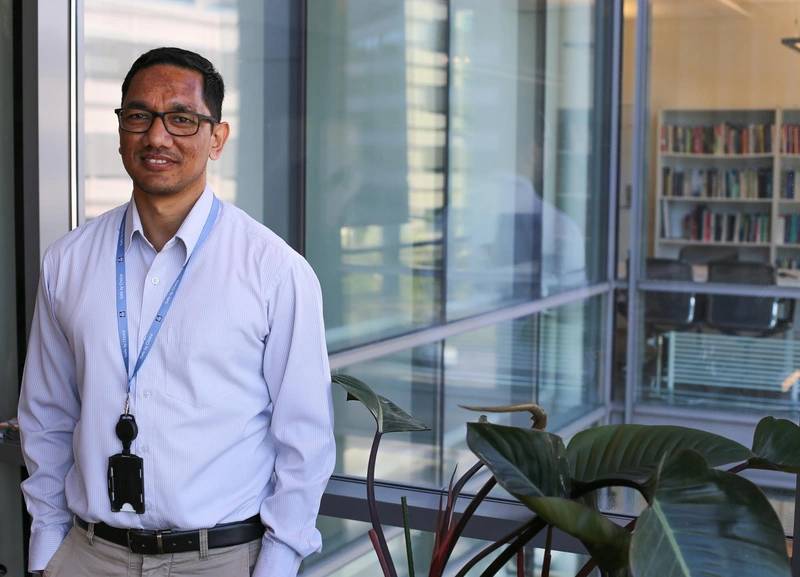 “In order to help customers meet the IMO’s target of 30 percent reduction in CO2 emissions by 2030, we are looking into other optimizers, like fuel efficiency. We are also exploring technology to enable the use of ammonia as fuel. Ammonia is one of Yara International’s biggest products, and they have vast experience to share from virtually the entire value chain,” said Shyam Bahadur Thapa, Research and Development Manager, Yara Marine Technologies
IMO 2020 still a driving force
“Regulations will definitely still have an impact into the future, but it has become more difficult to see to what extent,” Reksten observes. Additional factors in the overall picture include the open vs. closed loop scrubber debate, public sentiment, and disparate port restrictions. “All these will affect our product directly. A lot depends on how customers look at the investment in scrubbers, but increased requirements for reporting and monitoring will drive their decisions.”
maritime professional