SOS: Stranded, Shattered Seafarers Threaten Global Supply Lines
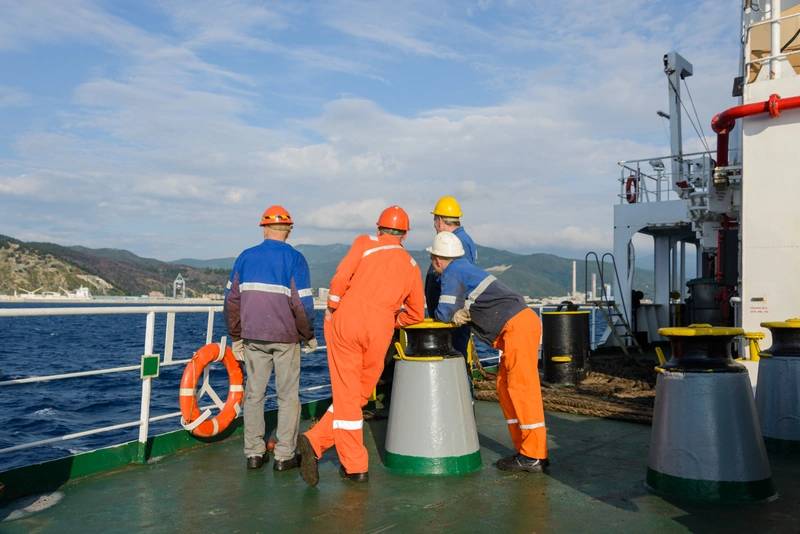
“I’ve seen grown men cry,” says Captain Tejinder Singh, who hasn’t set foot on dry land in more than seven months and isn’t sure when he’ll go home.
“We are forgotten and taken for granted,” he says of the plight facing tens of thousands of seafarers like him, stranded at sea as the Delta variant of the coronavirus wreaks havoc on shore.
“People don’t know how their supermarkets are stocked up.”
Singh and most of his 20-strong crew have criss-crossed the globe on an exhausting odyssey: from India to the United States then on to China, where they were stuck off the congested coast for weeks waiting to unload cargo. He was speaking to Reuters from the Pacific Ocean as his ship now heads to Australia.
They are among about 100,000 seafarers stranded at sea beyond their regular stints of typically 3-9 months, according to the International Chamber of Shipping (ICS), many without even a day’s break on land. Another 100,000 are stuck on shore, unable to board the ships they need to earn a living on.
The Delta variant devastating parts of Asia – home to many of the world’s 1.7 million commercial seafarers – has prompted many nations to cut off land access to visiting crews, in some cases even for medical treatment. Just 2.5% of seafarers – one in every 40 – have been vaccinated, the ICS estimates.
The United Nations describes the situation as a humanitarian crisis at sea and says governments should class seafarers as essential workers. Given ships transport around 90% of the world’s trade, the deepening crisis also poses a major threat to the supply chains we rely on for everything from oil and iron to food and electronics.
Bulk carrier master Singh, from northern India, is not optimistic of going ashore anytime soon; his last stint at sea lasted 11 months. He said his crew of Indians and Filipinos were living out of cabins measuring about 15ft by 6ft.
“Being at sea for a very long time is tough,” he says, adding that he had heard reports of seafarers killing themselves on other ships.
“The most difficult question to answer is when kids ask, ‘Papa when you are coming home?’,” he said from his vessel, which was recently carrying coal.
India and the Philippines, both reeling from vicious waves of COVID-19, account for more than a third of the world’s commercial seafarers, said Guy Platten, secretary general of the ICS, which represents over 80% of the world’s merchant fleet.
“We are seriously disturbed that a second global crew change crisis is looming large on the horizon,” he told Reuters, referring to a months-long stretch in 2020 when 200,000 seafarers on ships were unable to be relieved.
Desperation Sets In
In a snapshot of the situation, this month almost 9% of merchant sailors have been stuck aboard their ships beyond their contracts’ expiry, up from just over 7% in May, according to data compiled by the Global Maritime Forum non-profit group from 10 ship managers together responsible for over 90,000 seafarers.
maritime professional