Is Today World Maritime Day Or Maritime Fail Day?
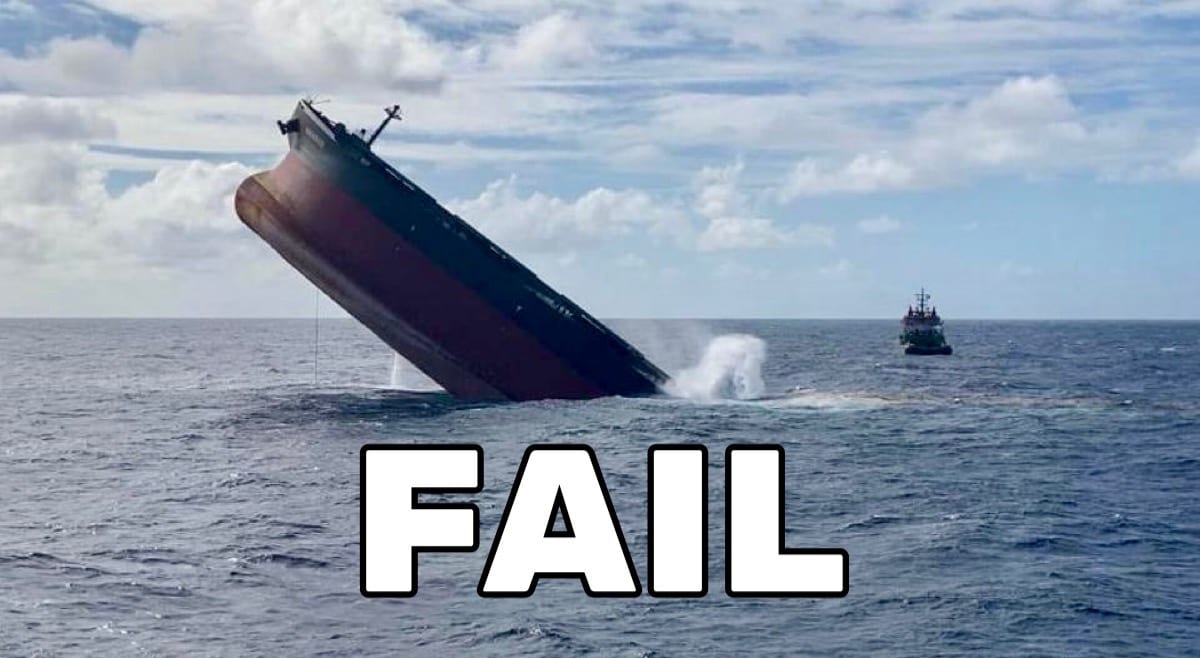
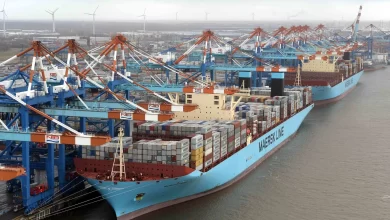
World Maritime Day is a United Nations sanctioned day of International significance. A day created to highlight the professionalism and sacrifice of the two million seafarers who serve on the world’s merchant fleet. A day to remember that shipping transports more than 80% of world trade.
World Maritime Day 2020 was supposed to highlight environmental change and the plight of mariners stranded at sea. Instead, the IMO needs to recognize that today it has failed.
The United Nations was created after World War II to “practice tolerance and live together in peace with one another as good neighbors”. They are the ambassadors of international cooperation and goodwill but, in today’s world, international partnership and goodwill have been torn apart by elected officials screaming #FakeNews, social media news manipulation which has helped elect them, and the loss of journalists capable of investigate the issues.
The United Nations is aware of this problem and has invested in working to resolve them but their Maritime branch, the International Maritime Organization, has apparently not received the memo.
I can think of no place where #fakenews is more prevalent than the maritime industry. Every time a ship incident occurs all the major media outlets flock to the scene and spray then go to their keyboards to spray out a litany of false information and of false assumptions in newspapers, television reports, and tweets that reach billions of people around the world. But what has the IMO, with an over $50 million taxpayer-supported budget, done to resolve this problem? Not much.
Mariners and maritime professionals around the world are keenly aware of the problems in our industry and the fact that big media routinely misrepresents what we do. What most, however, fail to realize is that the laws of maritime nations are rarely changed because of expert objections from inside an industry. No, they are changed by politicians reacting to voter will and it is the media that shapes and strengthens that will.
Today that media is dominated by talking heads but it was once the domain of journalists and London was the heart of maritime journalism.
When this site was founded fifteen years ago you only had three available options to get maritime news. There were real maritime news organizations like Lloyds List, Tradewinds, and Fairplay who employed talented journalists who investigated important stories and published them daily. They held the industry’s feet to the fire. They did good work. The only problem with these organizations is they are costly to run and must charge a high subscription rate that’s well beyond the price mariners can afford.
There were also free magazines, called trade pubs, which also serve an important role. Their purpose was to distribute corporate news mostly about products and services available for purchase. You can think of these as catalogs which give readers information in the hopes they will by the services they write about. That is why these magazines were free. They receive their income from corporations that sell things.
Finally, there were major media outlets like the New York Times, The Guardian, NPR, and the BBC. These organizations did not focus on maritime news but did a report on ships frequently. Most of these organizations employed a “dock reporter” whose job was to visit ships along the docks (but also shipping company headquarters) and report on maritime issues that the general public finds interesting.
Then the internet happened and major media outlets quickly retired their dock reporters. The maritime news organizations reacted slow and fought off the transition to digital news. Their unwillingness to go digital caused profits to tumble and massive layoffs stripped their newsrooms of all but a few journalists. Tradepubs move to fill the gap left my maritime news’ reluctance to go digital and started writing news articles despite the fact they don’t employ many journalists. The public became confused about which news organizations to trust.
gCaptian launched early in the digital marketplace. Our business model is different. We are not a tradepub and we do not often write about products or services unless they are truly newsworthy or are clearly marked as “Sponsored Posts“. Like journalists, we do investigate stories but instead of beating the pavement, we invested in a network of forums and internet to collect news-worthy information from the captains on the deck plate and the marine operations managers working inside shipping companies.
Because we invest in tools and because we connect directly to the experts on the scene we are able to keep our costs low enough to survive on advertising. Yet, because of our network, we are able to get real inside information and facts. In more recent years some maritime news companies, like Tradewinds under the keen eye of Julian Bray have found ways to become profitable and have started rehiring journalists. Others like the talented journalist Sam Chambers at Splash 24/7 and The Loadstar, have mixed together the gCaptain model with traditional journalism with great success.
RELATED ARTICLE: This Is How Important Articles About The Maritime Industry Are Researched And Written
Meanwhile, nefarious players have also entered the market. Certain new media outlets have noted the success of FakeNews outlets and have copied their business model. They have gathered huge followings on Facebook by using click-bate and fakenews to gain followers.
The IMO has a mandate to promote goodwill across the industry but, unfortunately, they have taken the road of the trade publications, by not helping journalists but instead publishing press releases which trade publications copy and paste as real news. They also create ‘media event’s, like World Maritime Day, which are not real news but rather are days on the calendar which the IMO declares to be a big news day.
The biggest day of the year for the IMO is World Maritime Day, which is today. While this is technically fakenews it does serve a positive purpose. In the past, the IMO has been successful in “raising awareness” among the major media outlets (i.e. the ones which most voters read) about the importance of shipping.
gCaptain