Is Hindsight 20/20? Hormuz Oil Shock and Lessons Learned from 1973
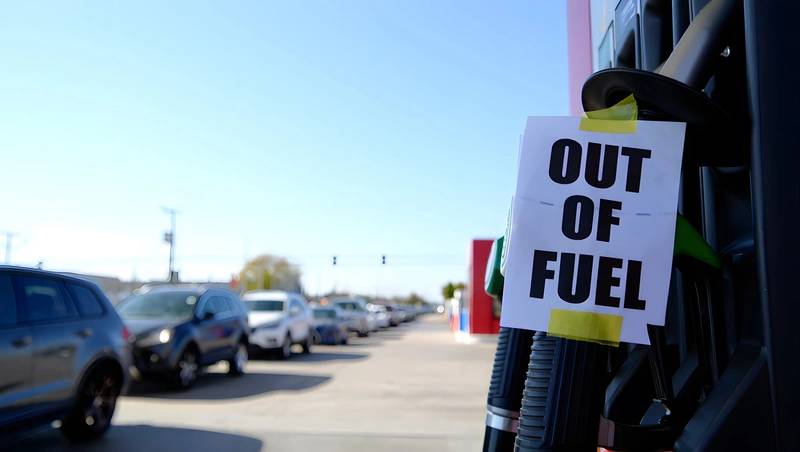
While oil and gas are once again flowing through the Strait of Hormuz, the closure of the vital waterway for over 100 days could prove to be a turning point in global energy markets. The Arab oil embargo of 1973, a similarly disruptive supply shock, offers clues about where we might be headed.
The latest Middle East crisis tested the limits of the modern energy system, which has evolved over recent decades into a highly interconnected global market held together by thousands of tankers, trading houses and complex pricing systems.
This system proved remarkably adaptable during the U.S.-Israeli war with Iran that began on February 28. Rapid shifts in supply flows and demand patterns mitigated the impact of what had previously been considered a “doomsday” scenario: the effective closure of the Strait of Hormuz, the narrow waterway through which nearly a fifth of the world’s oil and liquefied natural gas supplies typically pass.
Yet this shock was far from painless, particularly in Asia, which depends on the Middle East for 60% of its oil and gas imports. The market adaptations during the crisis – including the rundown of energy stockpiles and China’s reduced imports – were not sustainable.
Global energy markets were buying time. They could have reached a tipping point if the strait had not reopened when it did, as global inventories were nearing dangerously low levels.
That calamity was averted, but the Hormuz crisis has pushed nations to rethink their energy strategies.
Does that mean we should expect a dramatic reduction in fossil fuel use?
Comparing today’s crisis to the Arab oil embargo suggests that the path forward will be more complicated than that, but the crisis could ultimately mark the beginning of the end of the oil era.
BLACK GOLD
marine link