Energy Transitions and Zero-Carbon Targets -Opinion
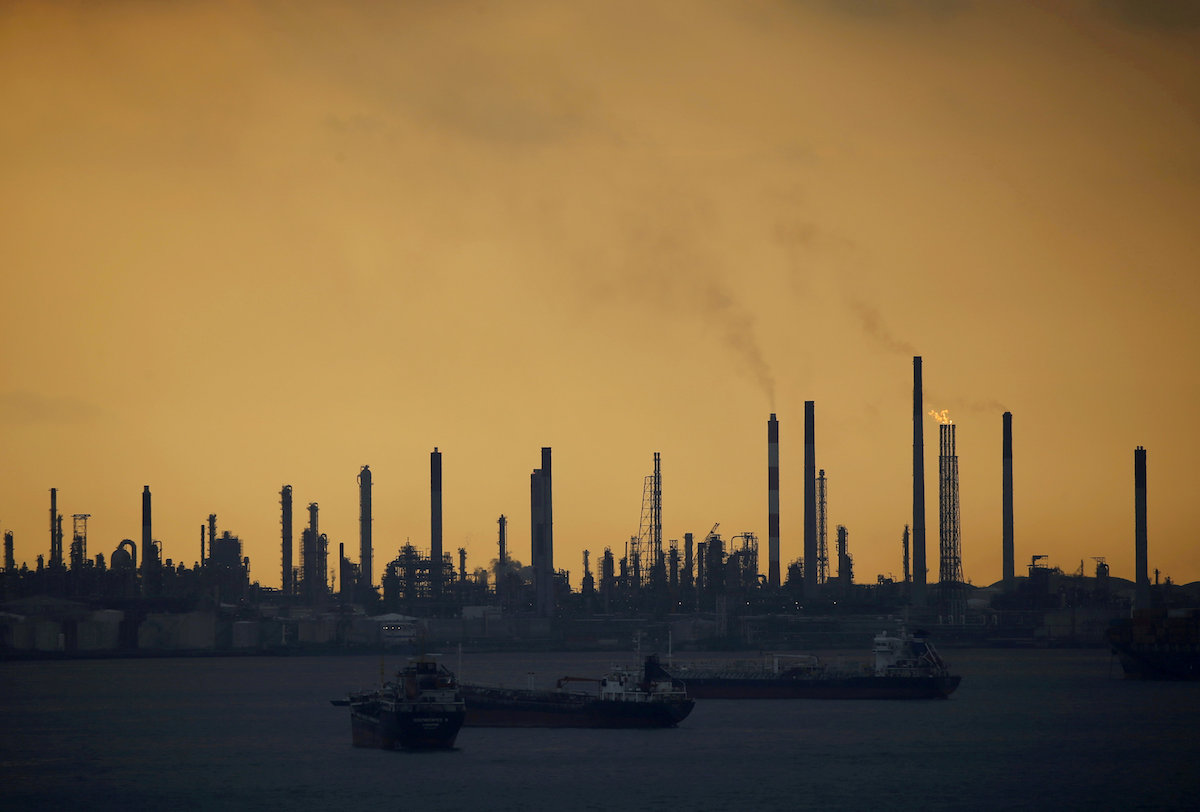
By John Kemp LONDON, Sept 29 (Reuters) – Policymakers in many countries have outlined plans for an ambitious transition from a system dominated by oil, gas and coal in the 2010s to one centered around renewables, nuclear and carbon capture by the 2050s.
Experience suggests a significant transformation of the global energy system is possible or even probable by the 2050s, though substantial transformation by the 2030s seems less likely.
In the past, primary energy source transitions have usually resulted in an increase in total consumption from both the new and older energy sources, especially in the early decades.
By making energy cheaper and more convenient, new sources have encouraged increases in total consumption, with new sources complementing older ones rather providing direct substitutes.
Older sources have often become entrenched for reasons of affordability or security of supply, particularly if lower consumption forces them to become more competitive on price.
In the classic example, global coal consumption continued to increase for decades, even as it lost relative market share to oil and gas, with a resurgence after oil prices rose in the 1970s.
In a future transition towards zero-carbon energy sources such as renewables and nuclear, consumption from oil, gas and coal would not automatically decline.
So energy transition is not the same as carbon transition. If policymakers want to reduce emissions, they will have to discourage carbon combustion or pair it with CO2 capture technology, not simply encourage renewables.
A zero-carbon transition will therefore require joined-up thinking and some combination of carbon prices, subsidies for zero-carbon energy, direct mandates to reduce oil, gas and coal consumption, as well as the adoption of CO2 capture technology. The last of these will also be commercially viable only through subsidies or effective carbon pricing.
Power stations, offshore oil platforms, coal mines and gas transmission pipelines have a reassuring sense of permanence, but the impression of an unchanging system is deeply misleading.
From local and regional to national and global, energy systems are characterized by continuous change, sometimes slower, sometimes faster, but never still.
For convenience, historians and policymakers often describe changes in the system – from wood to coal, coal to oil and fossil fuels to renewables – as transitions, as if they were singular, discrete events, albeit playing out over decades.
But the concept of a transition is a simplification, a way to talk about a particular time period in a system that is constantly evolving in response to external pressures.
In the short term, ranging from a few months to a few years, energy systems are characterized by heavy capital investment and lots of inertia, ensuring changes are almost imperceptible.
Over longer time scales, ranging from one to three decades, systems evolve significantly in ways that are profoundly disruptive (https://tmsnrt.rs/33dVZjk).
Every generation faces its own energy transitions and shocks.
Even before the twentieth century, energy systems evolved rapidly. Small annual changes in the share of wood and coal, then the two most important sources, compounded into a major change in the overall mix.
gCaptain