NewsShipping News

Hormuz Strait Tensions, a Nightmare Scenario for Shipping

Ship owners, and more specifically tanker owners, have been tasked with yet another twist in their efforts to trade their vessels, after the latest developments in the Strait of Hormuz. In its latest weekly report, shipbroker Allied Shipbroking said that “the strait of Hormuz is a sea passage a mere 21 miles wide (at its narrowest point) connecting the Middle East Gulf with the Gulf of Oman. However, the importance of this area is considered vast for global oil markets, with an estimated more than 20% of the global crude oil trade volumes passing through the Strait. In addition to crude oil, the strait is vital for other commodities as well. Qatar for example, the world’s largest LNG exporter, is entirely dependent on the strait of Hormuz for the entirety of its trading volumes. Given this, the recent geopolitical tensions that have flared up once again between Iran and the US have brought about major concerns for shipping”.

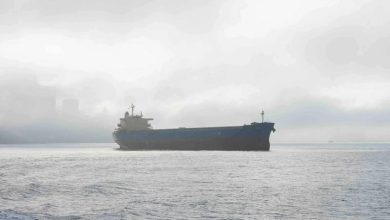
According to Mr. Yiannis Vamvakas Research Analyst with Allied Shipbroking, “the attack of four commercial vessels just off the UAE cost, the shooting down of a US drone aircraft from Iranian forces and the allegations from both sides for aggressive actions have increased the potential for a military confrontation emerging from all this. The beginning of this story goes back to the enforcement of sanctions from the US and its coalition on Teheran over its nuclear program, whilst the latest developments include statements from the US government regarding fresh sanctions that are now likely to be imposed”.

Vamvakas added that “a further intensification of the geopolitical crisis right now is not the odds-on favourite scenario, but a materialization of such an event could have a massive impact for shipping and the energy industry as a whole. In the past, we have seen military conflicts leading to a significant rise in oil prices and significant oil production disruptions, affecting the volume and global crude oil trade flow. A military conflict would cause significant disruptions for key oil producers, such as Saudi Arabia (10.3 million b/d), the UAE (3 million b/d) and Kuwait (2.7 million b/d). Teheran’s strategic targeting has likely been in hope of dividing the US and its coalition over the sanctions in place”.

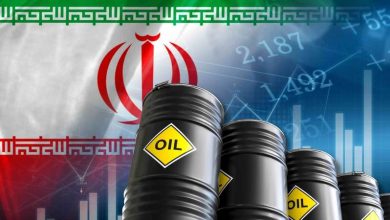
“For now, the direct consequences have been limited to a mere increase in uncertainty and volatility of crude oil prices. Brent rose almost 9%, reaching US$ 65.2 per barrel. The same was seen in the WTI as well, reaching last Friday US$ 57.43 per barrel. It is very likely that we will continue seeing several ups and downs in the price of crude oil during the following months. Meanwhile, Saudi Arabia and the UAE have attempted during the last few years to divert their exports to other terminals, through pipelines, targeting among other things to reduce their risk exposure from the closure of the Strait of Hormuz. According to EIA data, the total capacity of crude oil pipelines for the two countries was 6.5 million barrels per day in 2018, but with only 2.7 million barrels being used up so far. Beyond this it should be noted that demand growth prospects for 2019 have now also been revised, with OPEC saying that oil consumption will increase by only 1.14 million bpd, approximately 70,000 bpd less than its prior forecast. The same rational was followed by the IEA, which revised its oil demand growth as well, reducing it by 100,000 bpd down to 1.2 million bpd”, Vamvakas noted.

He concluded that “uncertainty and weak sentiment could possibly push demand growth down even further. The truth is that oil prices have showed impressive signs of resilience to the developments so far, with events in Venezuela and the US-China trade dispute having had a bigger impact on prices. However, it should not be assumed that any further escalation would not have a catastrophic effect on markets. The current resilience seems to more so reflect a general market belief that a solution will be found and that we are unlikely to see things get completely out of control”.

Show More

Related Articles

Leave a Reply

Your email address will not be published. Required fields are marked *

Back to top button