Integration is Everything
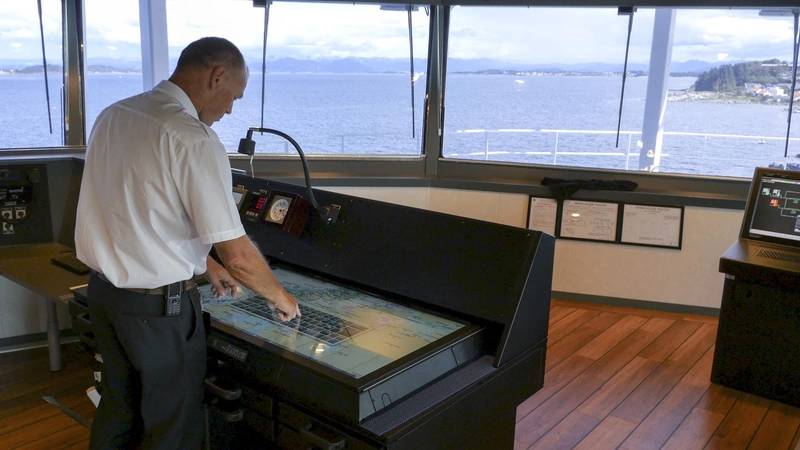
If you truly want to unlock the value of data you have to adopt a joined-up approach, says Tor Svanes, CEO NAVTOR. Fail in that, he argues, and you’ll fail to get the competitive advantage your business needs.
If you go for a full check-up at the doctor’s they won’t just measure your weight.
They’ll look at your blood pressure, listen to your heart, consider blood tests, assess cholesterol and, above all, ask questions that monitor your day-to-day performance. How are you feeling? Are you exercising? Sleeping okay? The list goes on. Only by looking at each element holistically, and then aggregating and analyzing the information, will they be able to give you the “big picture” concerning your health.
“You have the body, strength and stamina of a 30-year-old Mr Svanes!”… for example. So, what’s my point here?
That one data stream is useful, if you’re looking at a single item, but that only by integrating different streams from all ‘systems’ can you gain genuinely comprehensive insights and enhance overall decision making.
You can improve your health.
And that is maritime’s challenge.
The key to smart shipping
Everybody now understands that vessel data is important, but not everyone knows how to use it. Similarly, most owners and operators know that good connectivity between ship and shore is essential for data exchange, but few really understand why. And, crucially, how to unlock its full potential.
This is something that has to change, because this is the key to smart shipping – to profitable, efficient and sustainable operations.
We need safe, secure, reliable, real-time data flows between vessels and shore, but we also need to integrate data to fully assess and optimize operations – both for single ships and entire fleets.
Empowering optimization
Let’s look at an example.
You have onboard sensors on a vessel recording fuel consumption. This data is shared with land so management can monitor performance. A team member may look at this in relation to, say, a noon report to ensure everything is on track. Great.
But if that information was combined with real-time weather and navigation data, engine shaft torque, rpm, and so on, you get an accurate insight not just of fuel consumption, but fuel consumption and engine performance under exact conditions and on exact routes. You open a door into a new world of optimization.
Taking this example further, if you know the weather and the appropriate vessel/cargo details you can – through a secure, reliable data gateway – stream data so you can actually test performance in real-time. I.e. you know what rpm should produce a speed of 10knots in good weather conditions, so you set the engine accordingly and monitor ongoing speed. If the speed isn’t as expected then maybe you have a hull performance issue; bio-fouling may be taking hold and producing frictional drag, hampering performance (and adding cost for you, and the environment). This will allow you to set a schedule for hull cleaning at a time that suits your operations, and pocket.
maritime professional