Europol details how criminal networks have infiltrated leading European ports
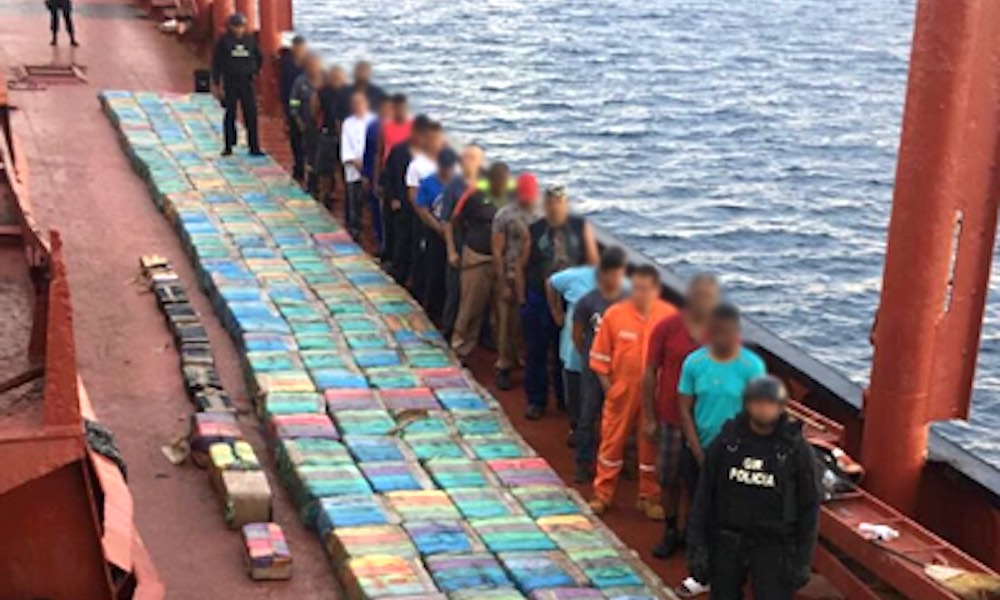
Europol, the law enforcement agency of the European Union, has launched a joint analysis report with the Security Steering Committee of the ports of Antwerp, Hamburg, Bremerhaven and Rotterdam that looks into the risk and challenges for law enforcement posed by criminal networks in EU ports.
Criminal networks are increasingly working toward the infiltration of and control over major logistical points with the new report noting the use of misappropriated container reference codes is gaining traction as a modus operandi for extracting illicit goods from ports.
Criminal networks arrange the infiltration of ports by coordinating local networks of corrupted port insiders, Europol detailed.
The main way criminals do this is through the corruption of shipping companies’ personnel, port workers, importers, transport companies, and representatives of national authorities among other actors, whose actions are necessary to secure the entry of illegal shipments. However, this approach requires corruption of a large number of accomplices.
In order to focus their efforts and minimise the risks of losing merchandise, organised criminals are seeking new modus operandi that require the corruption of far fewer individuals. Europol’s analysis report on criminal networks in EU ports looks into one specific technique, which exploits misappropriated container reference codes. This requires the corruption of just one individual, along with either the corruption or a Trojan horse-style infiltration of extraction teams, who are then paid between 7 and 15% of the value of the illegal shipment.
“If not addressed in an effective and efficient manner, the use of misappropriated container reference codes – and similar innovative modus operandi derived from it – is likely to increase,” Europol stated in a release, adding: “Criminal networks will continue to use major ports for trafficking and infiltrate them through corruption, as long as loopholes in the logistics chain and security procedures allow.”
As a side effect of the criminal operations in ports and the rivalry it entails, violence often spills out of major transportation hubs onto the streets of surrounding cities, where competition for distribution takes place.
Europol’s executive director Catherine De Bolle urged for greater collaboration between the public and private sector to fight against organised crime across the continent’s ports.
Ylva Johansson, European commissioner for home affairs, said: “The Europol report on criminal networks in ports illustrates what we are up against. It lays bare the sophistication of criminal drug gangs, their strength, and their savagery. The drug traffickers promote corrupt actions and practices sometimes by bribery, sometimes by intimidation.”
According to the International Chamber of Shipping, nearly 90% of all cocaine, 45% of all cannabis, and 30% of all amphetamine-type stimulants are trafficked by sea.
splash247